Site clearing contractors in Alabaster, AL get called in for three situations most often: a new-build lot, an overgrown residential yard, or land that needs grading before a home addition can start. This guide covers clearing methods, Alabaster's permit rules, realistic cost ranges, and the questions that separate a contractor you can trust from one who leaves surprises on the invoice. We walk remodeling and addition clients through this stage regularly, so the advice here comes from that experience, not a template.
Visit The Old Town Remodeler Inc. to see our services and request a free estimate.
Site Clearing Methods: Mechanical Clearing vs. Forestry Mulching
Most Alabaster lots get handled one of two ways, depending on tree density and how much vegetation the owner wants to keep.
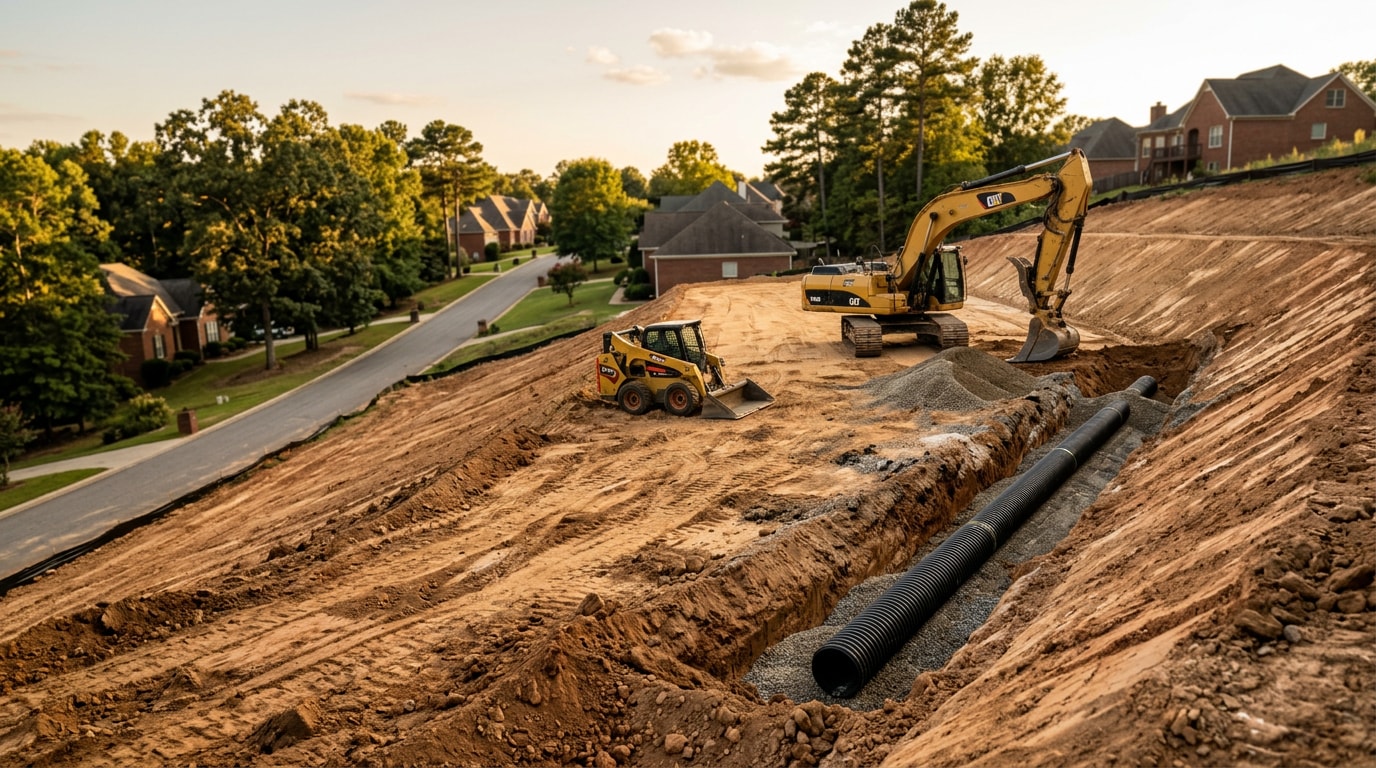
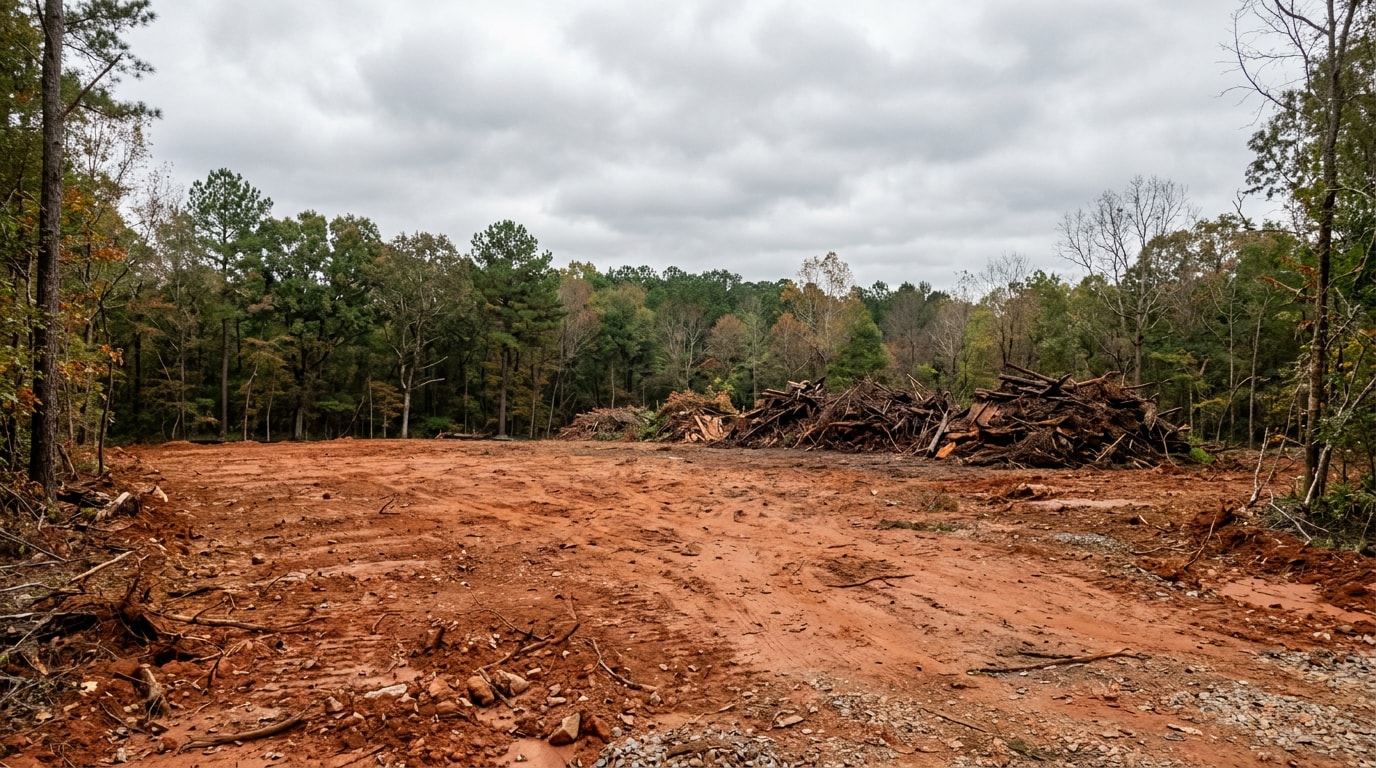
Mechanical clearing uses bulldozers, excavators, and skid steers to remove trees, stumps, and obstacles quickly across larger areas. It's the faster option when you're clearing a lot down to bare dirt for a new structure.
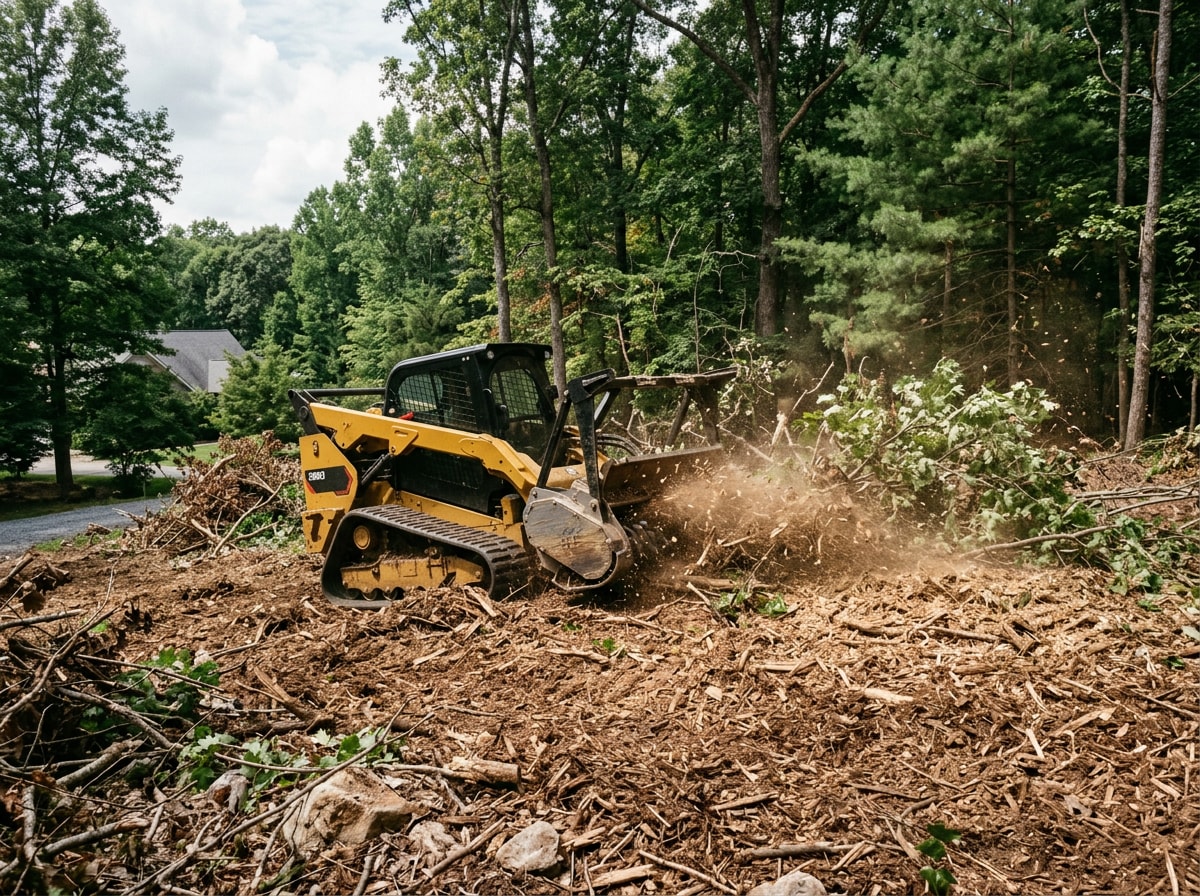
Forestry mulching grinds trees and brush into mulch on-site with a mulcher attachment. It's gentler on the soil, often leaves usable organic material behind, and lets a crew selectively clear brush without taking out mature trees you want to keep.
Manual clearing with chainsaws and hand tools still happens on very small jobs, but it's rarely the lead method for a commercial crew working more than a quarter acre. Many Alabaster contractors combine methods on the same job, mulching the understory while using an excavator for stumps and larger trees.
Permits You Need Before Clearing Land in Alabaster
This is the step most homeowners underestimate, and it's the one that causes the most delays.
The City of Alabaster requires an Erosion and Sediment Control Plan to be submitted along with a Site Plan and Tree Survey prior to the issuance of any permit for land clearing, grading, excavation, filling, or any other activity that may result in soil erosion . That plan goes to the Building Official and City Engineer for review, and no land disturbing activities may begin prior to issuance of a permit .
A few details worth knowing before you call a contractor:
- A scaled site plan showing deciduous trees above a certain diameter is required as part of the tree preservation rules.
- Silt screens, hay bales, or similar erosion-control measures have to be in place before the city's initial site inspection.
- Permits can be revoked mid-project if an inspection finds the site out of compliance with the approved plan.
If your project disturbs one acre or more, a separate state-level permit also applies. Alabama's Department of Environmental Management requires construction stormwater coverage under its general NPDES permit for regulated construction activity that disturbs one acre or more, defined as soil disruption from clearing, grading, excavation, filling, or similar work that may cause erosion . The city's stormwater management page links directly to the state requirements that apply once your project crosses that threshold.
A contractor who's cleared land in Alabaster before should know this sequence cold. One who asks "what permit?" is a red flag.
What Does Site Clearing Cost in Alabaster, AL?
Pricing swings widely based on acreage, vegetation density, and how much grading and debris hauling is involved. Density is the single biggest factor; a lightly wooded half-acre and a densely forested half-acre are not the same job.
| Clearing Scope | Typical Cost Range (per acre) |
|---|---|
| Light brush and underbrush | $1,200 – $2,500 |
| Moderate mixed vegetation, medium trees | $2,500 – $4,500 |
| Dense hardwood forest, heavy debris | $4,500 – $8,000+ |
A few things that push a quote higher regardless of acreage:
- Stump grinding and root removal (more labor than cutting trees alone)
- Steep slopes or standing water that slow equipment down
- Sites that need debris hauled off instead of mulched in place
- Permit and erosion-control compliance costs layered on top of equipment time
Get at least two quotes broken out by scope, not just a flat number. A contractor who can't explain what's driving their price per acre usually hasn't thought through the site conditions.
Step-by-Step: How a Site Clearing Project Unfolds
A reputable contractor follows a consistent order, from paperwork through final grading.
- Permits first. The land disturbance permit, erosion control plan, and tree survey get submitted and approved before equipment arrives.
- Site assessment. The crew checks a recent land survey, flags vegetation and obstacles, and evaluates topography and drainage. Underground utility lines get located and marked before any digging starts, a step OSHA's excavation standard requires because
the estimated location of utility installations, such as sewer, telephone, fuel, electric, and water lines, shall be determined prior to opening an excavation .
- Clearing. Trees, brush, and stumps come out. Debris gets hauled, mulched, or chipped on-site depending on the plan.
- Grading. The land gets shaped so water drains away from where a structure or driveway will sit, instead of pooling.
- Erosion control. Silt fences or erosion blankets go in to satisfy the city's inspection requirements and keep sediment off neighboring property.
Skipping any of these steps out of order is how projects end up with stop-work orders or failed inspections.
Why Site Clearing Matters for Alabaster Lots
This isn't just a one-time construction task. Regular clearing is part of ongoing property upkeep in this part of Alabama.
Invasive plants are a real, named problem here, not a vague talking point. Alabama Extension specialists rank cogongrass, tallowtree, Chinese privet, kudzu, and Japanese climbing fern as the state's most damaging invasive plants for forest landowners . Left alone, Chinese privet in particular forms dense infestations that displace native species and reduce native bee populations . A lot that goes uncleared for a few seasons in Shelby County can go from manageable brush to a privet thicket fast.
Forestry mulching lets a crew target those problem species selectively, clearing what's choking out mature oaks or hardwoods while leaving the trees you want standing.
What a Local Site Clearing Contractor Should Offer
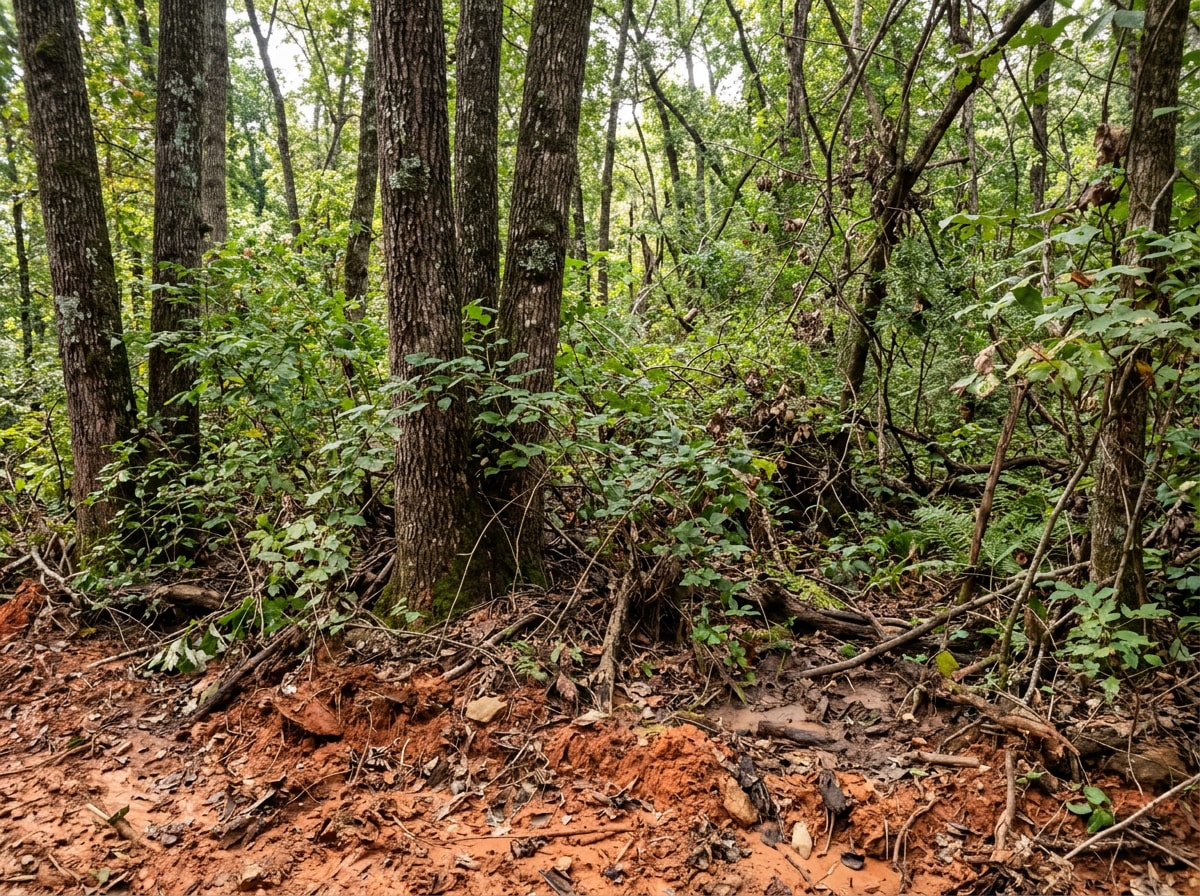
Alabaster's land often features sloped ground, dense clay soil, and wooded lots that complicate a build if a crew isn't prepared for them. Local experience usually means fewer change orders once equipment is already on-site, because the contractor has already seen the standing water, buried stumps, and erosion issues that catch out-of-town crews off guard.
A comprehensive contractor should offer land clearing, grading, forestry mulching, and general dirt work, and should be comfortable working across Shelby County terrain, not just flat subdivisions.
How Site Clearing Fits Into Your Remodel or Addition
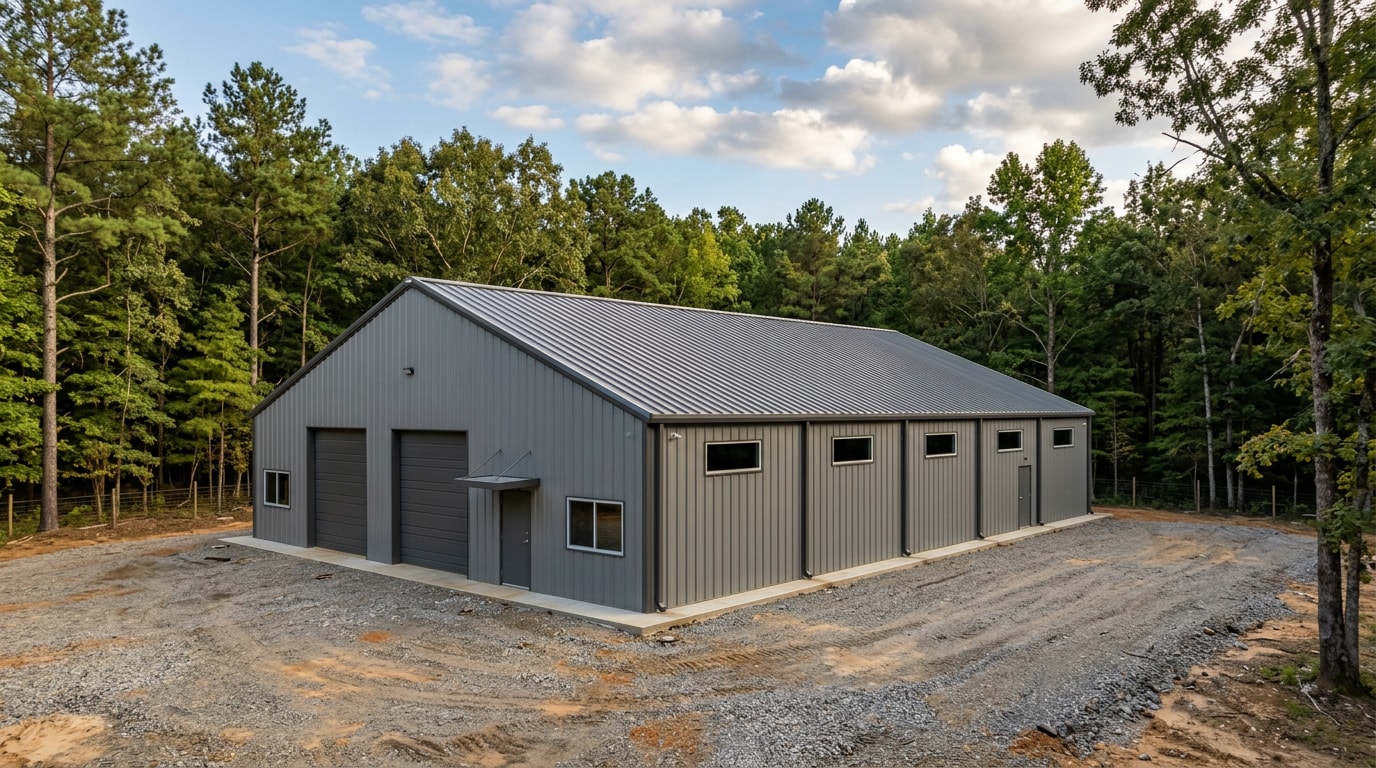
Site clearing almost never happens in isolation. It's usually the first step before a home addition, a new driveway, or a rebuild on land that's been sitting unused.
If you're planning that kind of project in Alabaster, it's worth coordinating the clearing scope with your remodeling contractor before either crew shows up. Grading decisions made during clearing affect drainage, foundation prep, and even where utilities get run later. The same vetting questions apply to any contractor you hire for this stage, whether it's a clearing crew or a remodeling team; our hiring guide for remodeling contractors covers the licensing and insurance questions worth asking either way.
If you'd rather talk through how clearing, grading, and your addition or remodel timeline fit together, a remodeling consultation is a good place to start before you commit to a clearing contractor.
FAQ
Do I need a permit to clear land in Alabaster, AL?
Yes, in most cases. The City of Alabaster requires a land disturbance permit with an approved erosion and sediment control plan and tree survey before clearing, grading, or excavation can begin. Projects disturbing one acre or more also need Alabama's state construction stormwater permit.
How much does site clearing cost per acre in Alabaster?
Light brush clearing typically runs $1,200 to $2,500 per acre. Moderate vegetation lands between $2,500 and $4,500 per acre, and dense hardwood forest can run $4,500 to $8,000 or more per acre depending on stump removal and debris hauling.
What's the difference between land clearing and forestry mulching?
Land clearing is the broad category: removing trees, brush, and stumps by any method. Forestry mulching is one specific method that grinds vegetation into mulch on-site instead of hauling it away, which is gentler on the soil and often cheaper for moderate-density lots.
How long does a typical site clearing project take?
A half-acre to one-acre residential lot with moderate vegetation usually wraps in one to two days once permits are approved. Larger or densely wooded parcels can take a week or more, and permit review time (often one to several weeks in Alabaster) should be factored into your overall timeline separately from the physical clearing work.
How do I vet a site clearing contractor before hiring?
Ask about real project history in the area, proper licensing and insurance, and whether the crew owns its equipment instead of renting last-minute. A contractor who can walk you through Alabaster's permit process without hesitation has likely done this before. Contact us if you'd like to talk through how clearing fits your specific project before you request a professional quote.